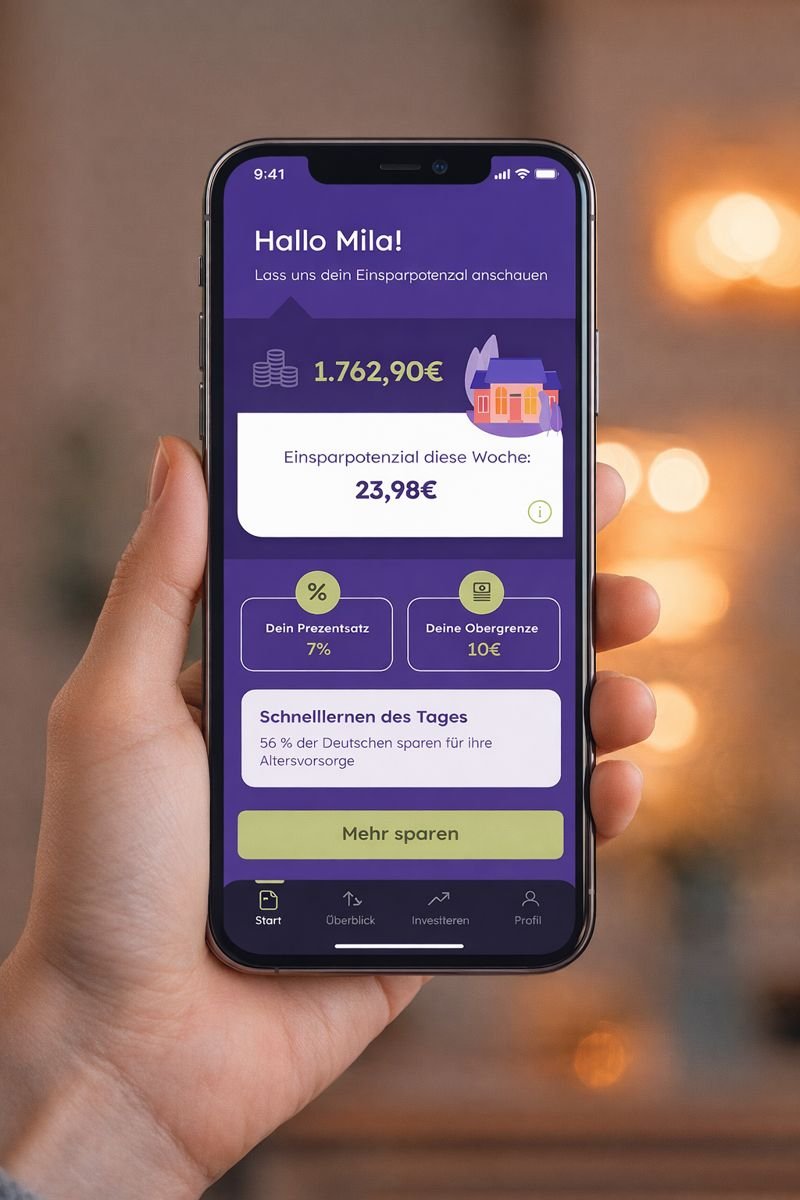
Project Overview
Toshi was a fintech startup aimed at democratizing investing for European millennials and Gen Z
through a mobile-first micro-investing platform. The vision was to enable users to invest spare
change from everyday transactions into diversified ETF portfolios, making investing accessible,
automated, and frictionless. As Co-Founder and Product Lead, I drove product strategy, MVP
development, and customer validation through a comprehensive 9-month startup journey.
The Challenge
While micro-investing apps had proven successful in the US market (Acorns, Robinhood), the European
market presented unique challenges:
- Regulatory Complexity: Navigating MiFID II, PSD2, and BaFin requirements across
multiple European jurisdictions
- Banking Integration: Open Banking API integration was less mature than in the
US, with fragmented standards across countries
- Competitive Landscape: Established players (Trade Republic, Scalable Capital)
and legacy banks were entering the space
- Trust Barriers: European users were more risk-averse and skeptical of fintech
apps compared to US counterparts
- Unit Economics: Low margins on micro-transactions required careful business
model design
Product Concept & Technical Architecture
The Toshi platform was designed as a mobile-first experience with the following key features:
Core Features
- Round-Up Investing: Automatically round up purchases to the nearest euro and
invest the spare change
- Smart Portfolios: Algorithmically diversified ETF portfolios based on risk
profile and goals
- One-Time & Recurring Investments: Flexible investment options beyond round-ups
- Financial Education: Bite-sized content to improve financial literacy and build
investing confidence
- Goal-Based Investing: Set and track progress toward specific financial goals
Planned Technology Stack
Flutter
Java
Spring Boot
PostgreSQL
AWS
PSD2 API
REST API
Docker
Outcome & Key Learnings
What We Achieved
- Validated product-market fit through 20+ customer interviews showing strong interest in
micro-investing concept
- Developed comprehensive business plan with detailed financial projections and go-to-market
strategy
- Created high-fidelity MVP design and technical architecture
- Built working prototypes and conducted successful usability tests
- Established relationships with potential banking and brokerage partners
Why We Decided to Pivot
After 9 months of intensive work, we made the difficult decision not to pursue the venture further.
Key factors included:
- Regulatory Burden: The time and cost to obtain BaFin licensing (12-18 months,
€500K+ in legal/compliance costs) was prohibitive for a bootstrapped startup
- Partnership Challenges: White-label brokerage partnerships came with high
revenue share requirements that made unit economics challenging
- Market Competition: Established players with significant funding and existing
licenses were moving aggressively into the space
- Team Constraints: As a side project for all co-founders, we couldn't commit to
the full-time effort required to succeed in this highly competitive, regulated market
What I Learned
Despite not launching the product, this experience was invaluable for my development as a product
manager and entrepreneur:
Product Management
- Customer Discovery is Critical: Early and continuous customer interviews
prevented us from building the wrong product
- MVP Scoping: Learned to ruthlessly prioritize features and cut scope to focus
on core value proposition
- Regulatory Constraints Shape Product: In highly regulated industries,
compliance requirements must drive product decisions from day one
- Prototyping Validates Faster: High-fidelity prototypes enabled usability
testing and feedback without expensive development
Business & Strategy
- Know Your Barriers to Entry: Underestimating regulatory and capital
requirements was a key mistake—should have validated earlier
- Partnerships vs. Build: Learned to evaluate make-vs-buy decisions,
particularly for regulated capabilities
- Unit Economics Matter: Beautiful product doesn't guarantee viable business—unit
economics must work from the start
- Timing & Competition: Market timing and competitive positioning are critical in
fast-moving sectors like fintech
Entrepreneurship & Team Dynamics
- Part-Time Startups Have Limits: Competing in capital-intensive, highly
regulated markets requires full-time commitment
- Know When to Pivot/Stop: Knowing when to cut losses is as important as
perseverance
- Co-Founder Alignment: Regular, honest communication about commitment levels and
risk tolerance is essential
Personal Growth
- Gained deep domain expertise in fintech, payments, and financial regulation
- Developed resilience and comfort with ambiguity and failure
- Built confidence in product strategy, customer research, and startup execution
- Strengthened ability to make difficult decisions under uncertainty
Skills & Experience Gained
Product Strategy
Customer Discovery
MVP Development
FinTech Domain
Regulatory Compliance
Business Modeling
UX Design
Agile Management
Stakeholder Management
Pitching & Fundraising