Project Overview
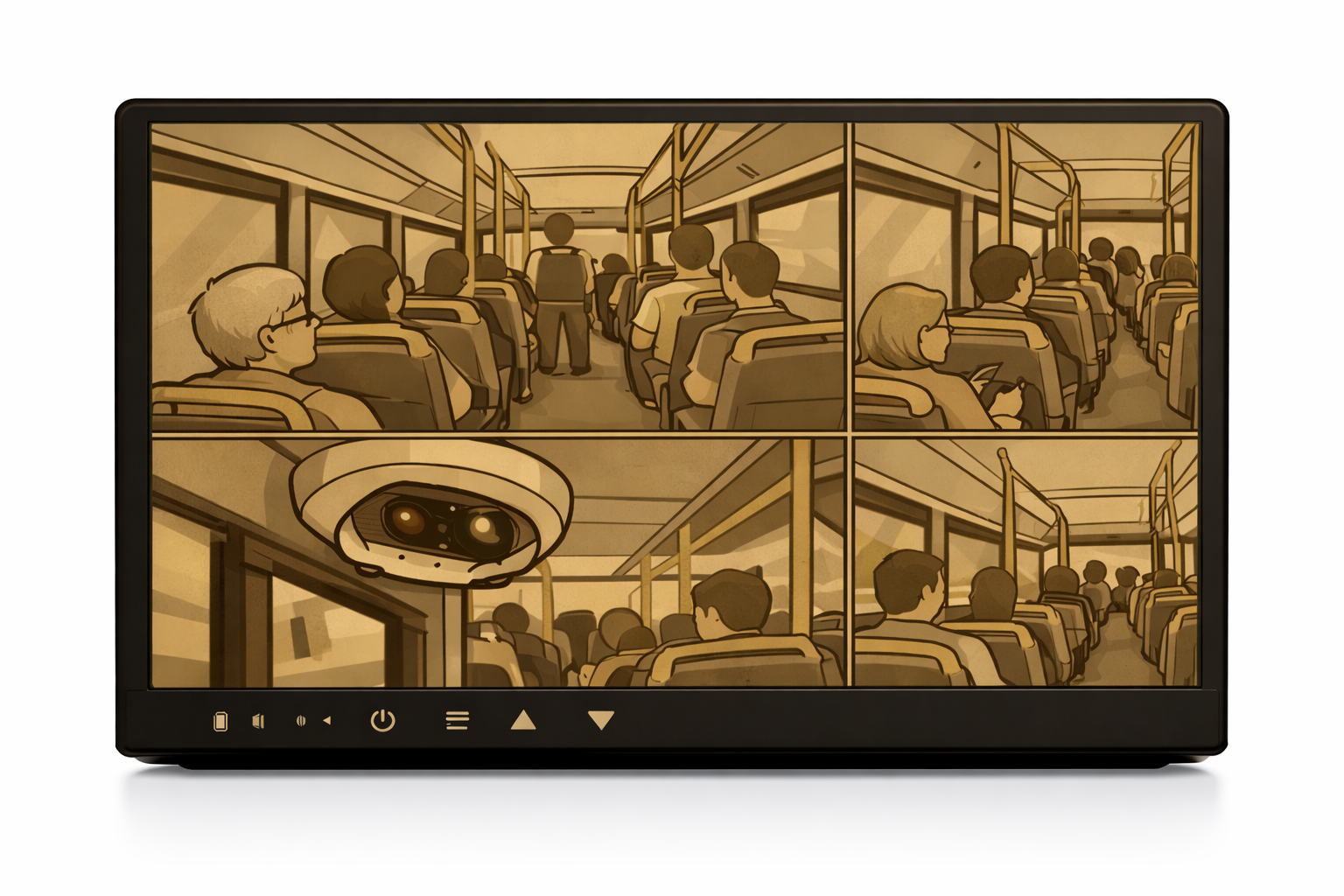
IP-Monitor is an IoT hardware product line for public transport passenger information systems. As
Product Manager, I owned the complete product lifecycle from market research and strategic planning
through to manufacturing, launch, and post-launch optimization. The product combines custom hardware
design, embedded Linux systems, and cloud connectivity to provide reliable, maintainable display
solutions for buses, trams, and trains.
The Challenge
Public transport operators needed cost-effective, reliable display systems that could show real-time
passenger information (next stops, delays, connections) while meeting strict reliability
requirements in challenging environments. The product had to:
- Operate reliably in harsh conditions (temperature extremes, vibration, humidity)
- Support multiple display types and resolutions
- Enable remote management and updates across hundreds of deployed units
- Integrate with existing transport management and routing systems
- Meet automotive and transport industry certifications (EMC, safety, etc.)
- Be cost-competitive while maintaining quality and longevity
My Role & Responsibilities
As Product Manager, I was responsible for:
Strategic Planning
- Conducted market research and competitive analysis across European transport technology
suppliers
- Defined product vision, roadmap, and go-to-market strategy
- Established pricing strategy based on cost analysis and market positioning
- Created business cases for new hardware variants and feature additions
Product Development
- Managed cross-functional teams including Hardware Engineering, Embedded Software, QA, and
Manufacturing
- Defined product requirements and specifications working with customers and engineering teams
- Coordinated hardware design reviews and prototype testing cycles
- Managed vendor relationships for component sourcing and manufacturing partnerships
Launch & Operations
- Coordinated product launches with Sales, Marketing, and Technical Support teams
- Created technical documentation, user manuals, and training materials
- Managed product compliance and certification processes (CE, EMC)
- Monitored product performance metrics and customer feedback for continuous improvement
Product Architecture
Technology Stack
Embedded Linux
ARM SoC
MQTT
Python
C/C++
Qt/QML
Docker
IBIS Protocol
Key Product Components
- Custom Hardware: ARM-based embedded system designed for automotive-grade
reliability and low power consumption
- Embedded OS: Hardened Linux system with secure boot, OTA updates, and remote
management capabilities
- Display Engine: Flexible rendering system supporting multiple display types,
resolutions, and content layouts
- Connectivity: 4G/LTE, WiFi, and Ethernet connectivity with automatic failover
- Cloud Platform: Central management system for device provisioning, monitoring,
content updates, and diagnostics
- Integration Layer: APIs and protocols for integration with transport management
systems (IBIS, VDV, etc.)
Product Management Approach
Key processes and methodologies I implemented:
- Agile Hardware Development: Adapted agile methodologies for hardware products
with rapid prototype iterations and customer validation cycles
- Voice of Customer: Established regular customer feedback loops through site
visits, interviews, and support ticket analysis
- Data-Driven Decisions: Implemented telemetry and monitoring to track device
health, feature usage, and failure modes
- Risk Management: Created comprehensive risk registers and mitigation plans for
hardware, supply chain, and certification risks
- Cross-Functional Alignment: Ran regular sync meetings across Engineering,
Sales, Support, and Manufacturing to ensure alignment